
Saturday, October 21, 2006


Monday, October 02, 2006
Gandhiji and Bombay

The above photograph of Gandhiji was taken on his return to Bombay from South Africa in 1915. Thus, on Gandhi Jayanti day, if one has to remember places that bring out Gandhiji’s association with Bombay, the most important would be Mani Bhavan,now a memorial museum at Laburnum Road, Gamdevi that served as his headquarters from 1917-1934.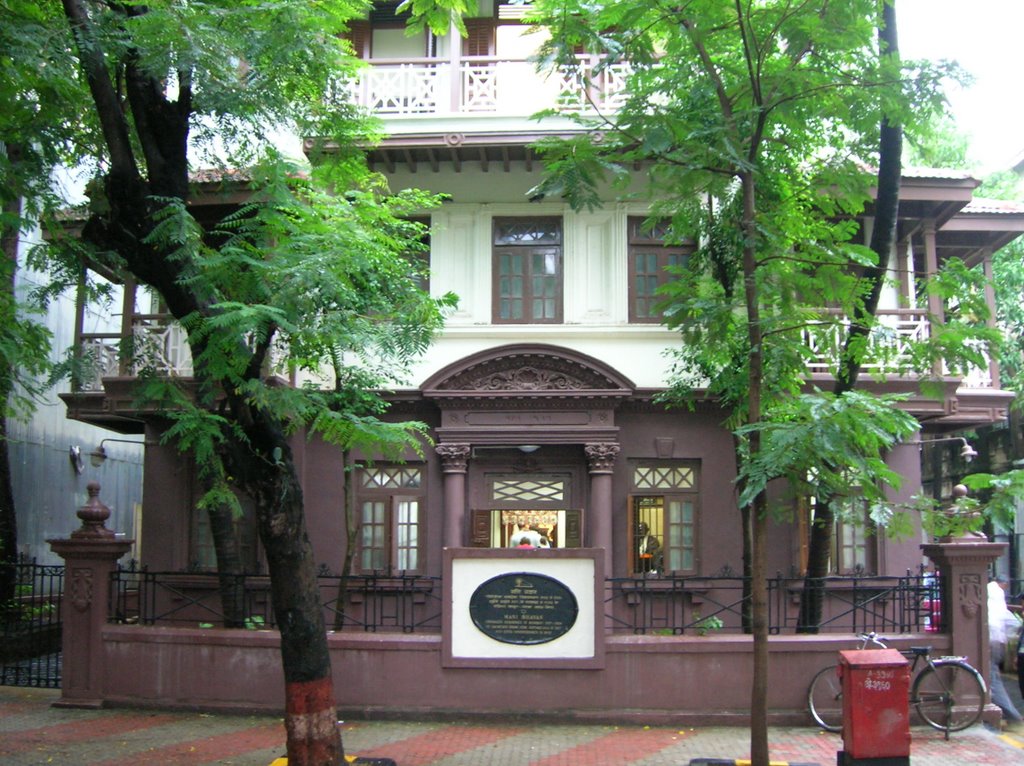
Bombay, a city in the forefront of the freedom struggle had attracted Gandhiji often and he used to stay in the city at the residence of Shri Revashanker Jhaveri’s Mani Bhavan. It is a two-storied building, with the ground floor housing a 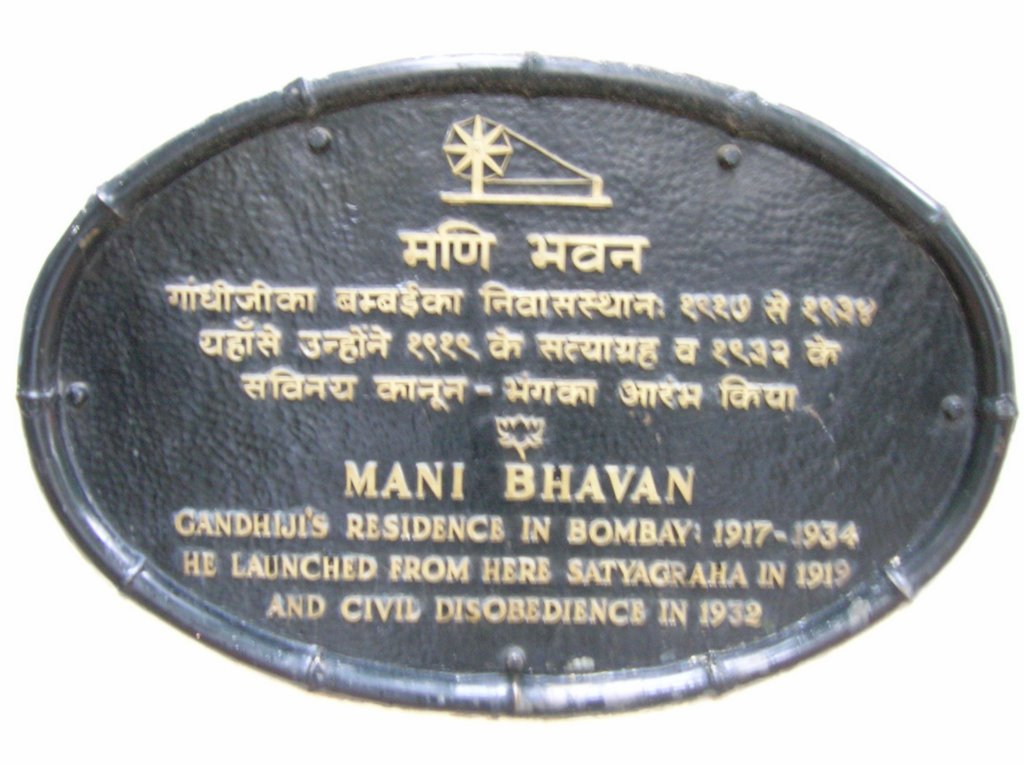 library and the first floor has a picture gallery and an auditorium. On the second floor, you can see the room where Gandhiji worked out of and also various photos, memorabilia and letters. It also has an exhibition on his life called Glimpses of Gandhi, which shows the important events in Gandhiji’s life in a mini-figures format. Mani Bhavan attracts many tourists but I wonder how many Mumbaikars have visited it.
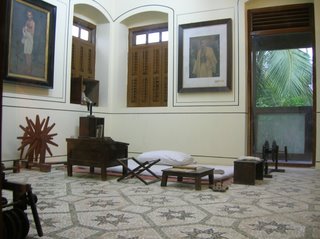 Gandhiji's room at Mani Bhavan
These are some of the activities that Gandhiji carried out in Bombay
# In 1917, he took the first lessons in carding from a carder who used to pass Mani Bhavan every day.
# He learnt spinning here.
# The Satyagraha movement against the Rowlett Act was launched from here in March 1919.
# He took over the writing of two magazines Young India and Nava Jeevan in 1919.
# He lent support to the Khilafat movement from here in 1920.
# He participated in the funeral procession of Bal Gangadhar tilak from Sardar Griha to Chowpatty in 1920. His words " A great among men has fallen" are remembered by all.
# The decision to collect one crore rupees from the Tilak Swaraj Fund was taken and its start made here in 1921.
# He organized the boycott and bonfires of foreign cloth from here on July 31,1921.
# He was arrested from his tent on the terrace of Mani Bhavan on Jan 4, 1932.
# His last stay at Mani Bhavan was on June 17-18 1934.
 Various statues Of Gandhiji exist in Mumbai, the most prominent being the one at Mantralaya. As all cities Bombay has an M.G. Road, in fact more than one. The most prominent being the one from Metro to Kala Ghoda. The others are in Goregaon (W) and Ghatkopar. Various organisations like the Bombay Sarvodaya Mandal at Nana Chowk spread his teachings and sell books on Gandhiji.
 As I w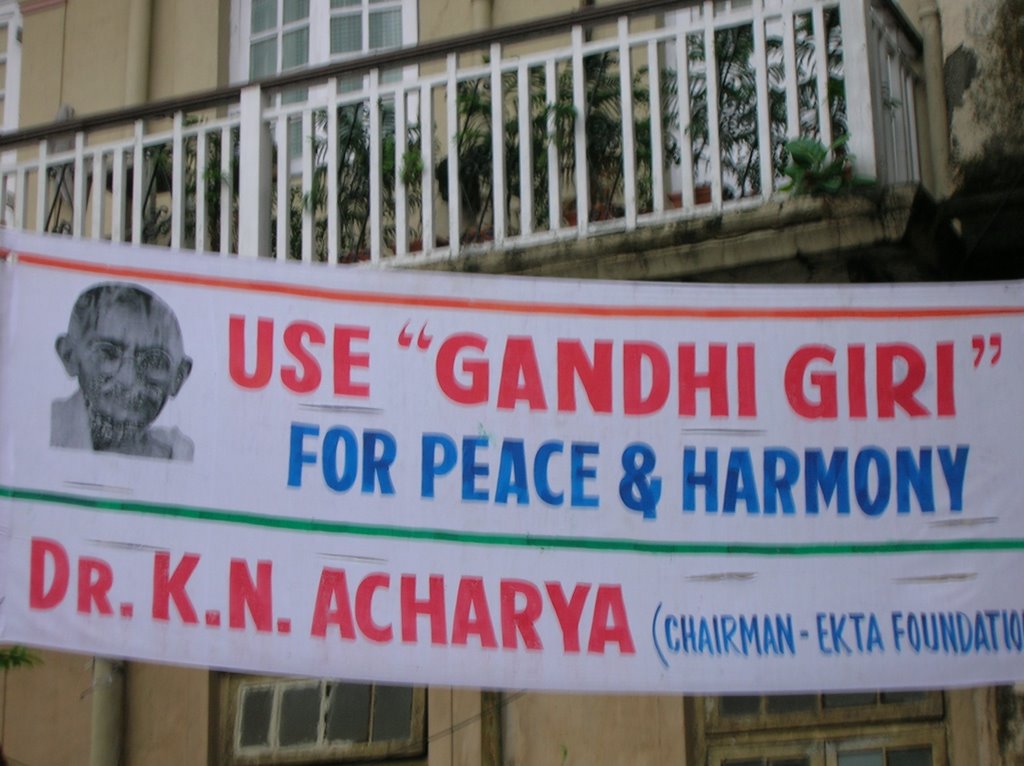 as leaving Mani Bhavan, I smiled seeing a banner on the opposite side on the road “Use Gandhigiri, For Peace and Harmomy”. Gandhiji is also being remembered at many of the theatres in Mumbai that are playing the film “ Munnabhai”.
Pujo in Mumbai

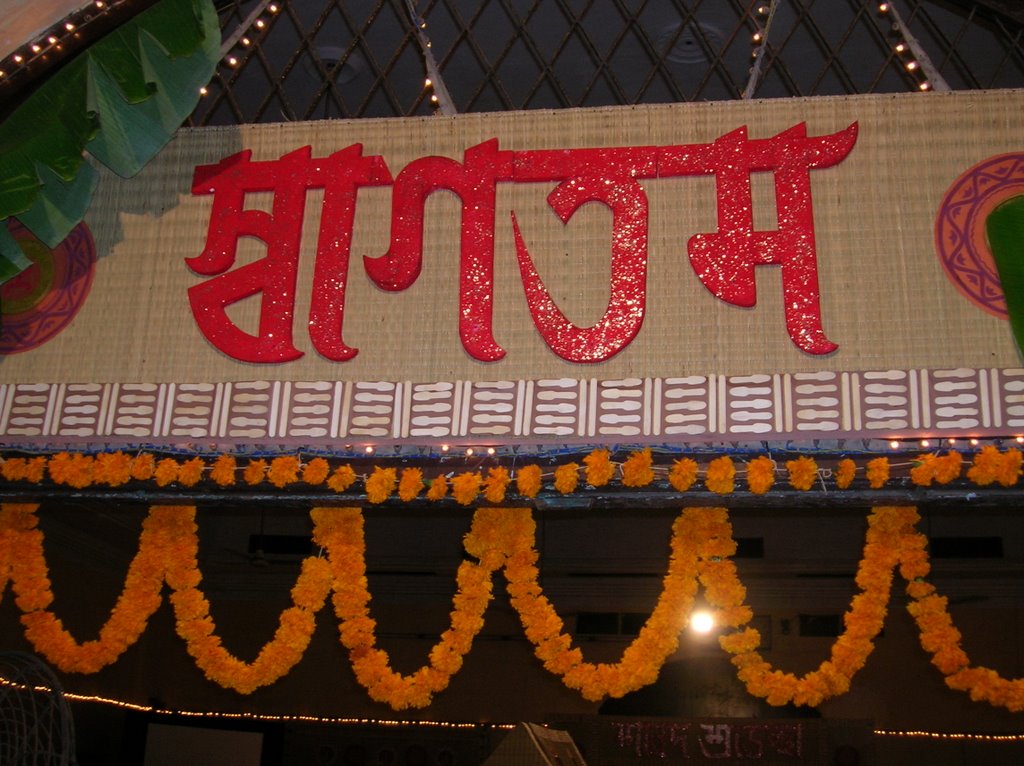
The multicultural and multilingual ethos of Mumbai is seen by the various Durga Puja’s organized by the Bengali community in Mumbai and is a worth a visit. In Mumbai, Pujo’s are mostly held at the Tejpal auditorium at Gowalia Tank, Shivaji Park, Lokhandwala in Andheri, Powai, Chembur, Vashi and Patwardhan Baug at Bandra
I have been to the Puja’s at Tejpal, Chembur, Shivaji Park and Bandra. The Puja’s start on the sixth day (Maha-Shashti) and go on till the tenth day (Maha-Dashmi). It symbolizes good winning over evil. The Tejpal Pujo has a beautifully decorated idol with an Arati carried out in the midst of playing of the dhak.They also have a musical programme everyday with jugalbandi, dance drama, bengali songs and a theatrical musical being performed in the evenings. The committee which organises the Bandra Puja organises a Marathi play every year. The Shivaji Park Puja has a bigger idol and has many stalls, which sell Bengali foodstuff (sweets like kheer kodom, payesh, gulab jamun, rossogu
 lla etc), Sarees and handicrafts from Bengal.
I ate the traditional Durga Puja meal (Bhog) at the Bandra Pujo this year and it was wonderful. Hundreds of people stand in a line and volunteers dish out a hearty meal of khichadi, potato and paneer subji, begun bhaja, tomato chutney, payesh and gulab jamun.
The photos here are from the Tejpal and the Bandra Puja. For more information on Durga Puja see here and here.
I have been to the Puja’s at Tejpal, Chembur, Shivaji Park and Bandra. The Puja’s start on the sixth day (Maha-Shashti) and go on till the tenth day (Maha-Dashmi). It symbolizes good winning over evil. The Tejpal Pujo has a beautifully decorated idol with an Arati
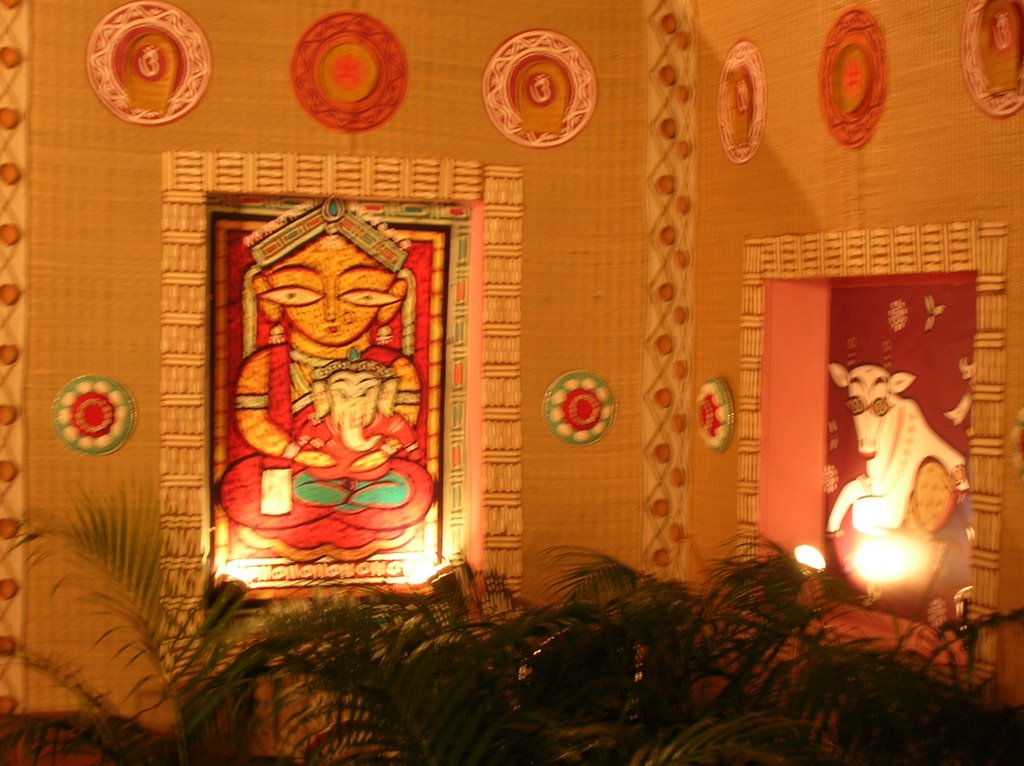 carried out in the midst of playing of the dhak.They also have a musical programme everyday with jugalbandi, dance drama, bengali songs and a theatrical musical being performed in the evenings. The committee which organises the Bandra Puja organises a Marathi play every year. The Shivaji Park Puja has a bigger idol and has many stalls, which sell Bengali foodstuff (sweets like kheer kodom, payesh, gulab jamun, rossogu
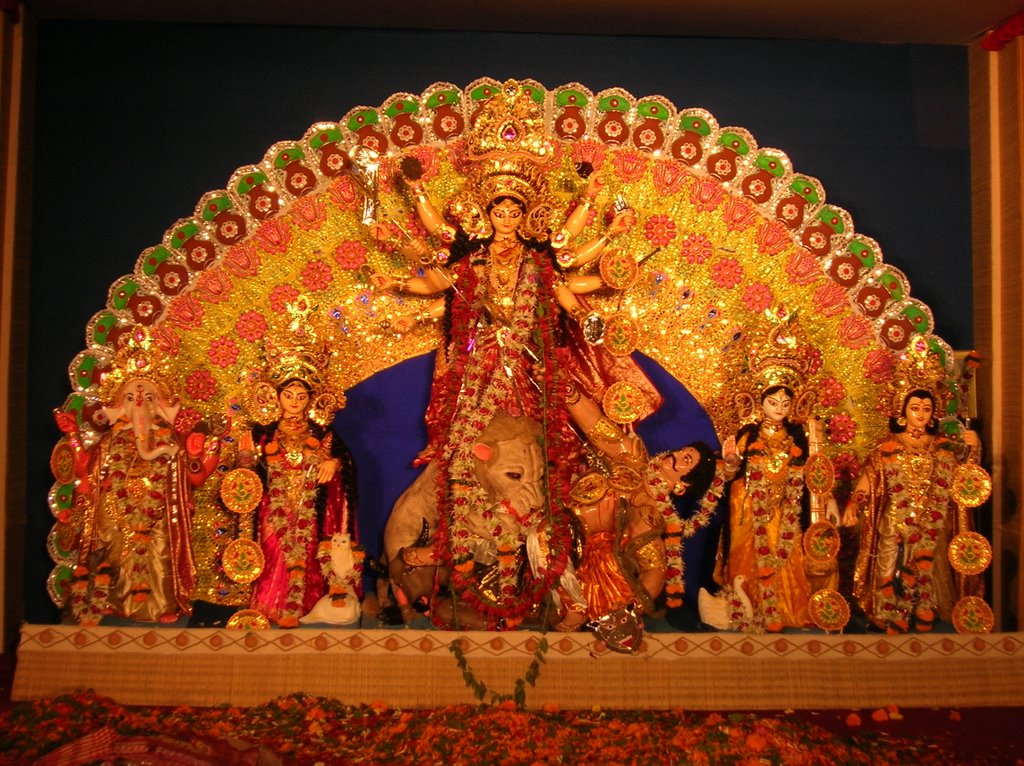 lla etc), Sarees and handicrafts from Bengal.
I ate the traditional Durga Puja meal (Bhog) at the Bandra Pujo this year and it was wonderful. Hundreds of people stand in a line and volunteers dish out a hearty meal of khichadi, potato and paneer subji, begun bhaja, tomato chutney, payesh and gulab jamun.
The photos here are from the Tejpal and the Bandra Puja. For more information on Durga Puja see here and here.
Saturday, September 30, 2006
Bahubhashik Bahurangi Natyotsav
A five-day theatre fest is currently going on (September 28-October 2, 2006) at the Mumbai Marathi Sahit ya Sangh at Girgaum, near Charni Road station. This festival organized jointly with the Saraswat Co-operative Bank in memory of the late Dr Shrirang Adarkar, a theatre enthusiast and an ex-director with the Saraswat Bank.
The festival has quite a mélange of plays in Marathi, Malvani, Hindi and English. The first one called Bin Baykacha Tamasha, as the name suggests has no women but men dressed as women. It was wonderful to see the men dancing in the tamasha form and the male singers who were singing in both male and female voices. Look at this link here and you will find it difficult to identify that the actors are all men.
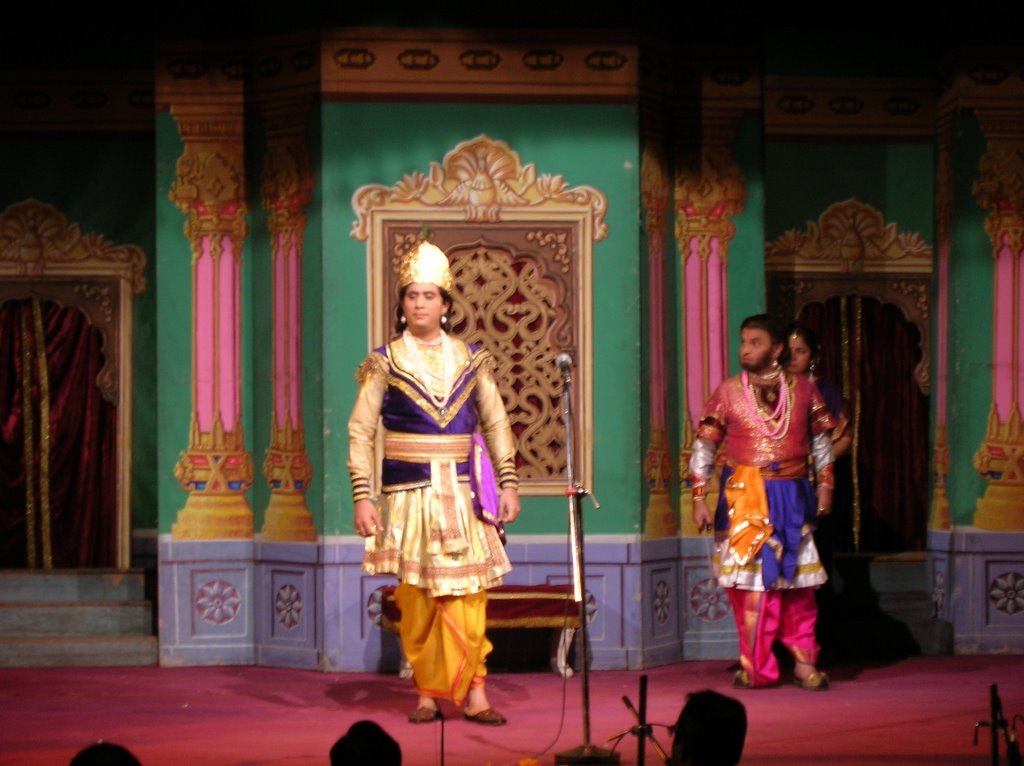
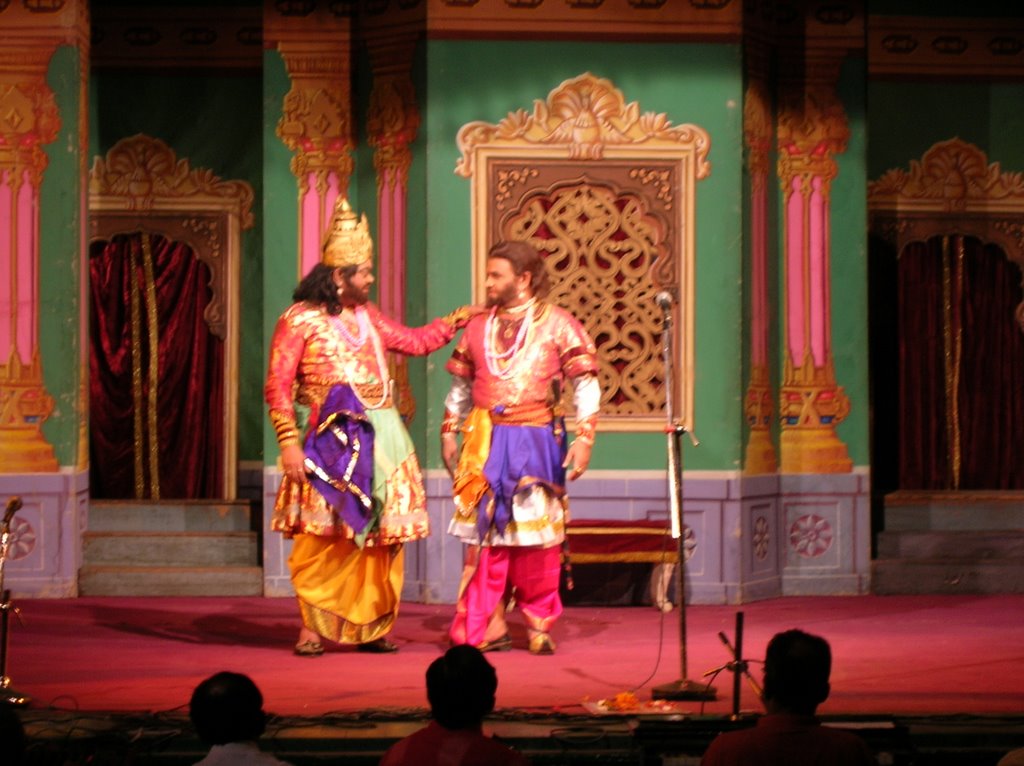
Then there was Sangit Swayamwara, the Natya Sangeet form of theatre in which the plot was of Rukmini’s Swayamwara with Lord Krishna, Rukmini, Rukmini’s brother Rukmi, her father Bhishmaka, the King of Vidharba all part of the plot and were emoting out scenes through dialogues and moreover through classical singing. The photos that appear here are from this play. This form of theatre was made popular by the legendary Bal Gandharva.
The other plays that are going to be staged are Magni Taso Puravtho, a play in Malvani by the famous comedian Macchindra Kambli, Katha Collage II directed by Naseeruddin Shah and Tamasha Mumbai Ishtyle, a comedy by Bharat Dabholkar.
Do pay a visit to this old theatre, which used to be an open air theatre in the 1920’s and for many years now is an enclosed auditorium named after Dr Bhalerao who was responsible for reviving Marathi drama in the 1940’s when the audience for plays had thinned out after people started turning towards films.
 ya Sangh at Girgaum, near Charni Road station. This festival organized jointly with the Saraswat Co-operative Bank in memory of the late Dr Shrirang Adarkar, a theatre enthusiast and an ex-director with the Saraswat Bank.
The festival has quite a mélange of plays in Marathi, Malvani, Hindi and English. The first one called Bin Baykacha Tamasha, as the name suggests has no women but men dressed as women. It was wonderful to see the men dancing in the tamasha form and the male singers who were singing in both male and female voices. Look at this link here and you will find it difficult to identify that the actors are all men.
Then there was Sangit Swayamwara, the Natya Sangeet form of theatre in which the plot was of Rukmini’s Swayamwara with Lord Krishna, Rukmini, Rukmini’s brother Rukmi, her father Bhishmaka, the King of Vidharba all part of the plot and were emoting out scenes through dialogues and moreover through classical singing. The photos that appear here are from this play. This form of theatre was made popular by the legendary Bal Gandharva.
The other plays that are going to be staged are Magni Taso Puravtho, a play in Malvani by the famous comedian Macchindra Kambli, Katha Collage II directed by Naseeruddin Shah and Tamasha Mumbai Ishtyle, a comedy by Bharat Dabholkar.
Do pay a visit to this old theatre, which used to be an open air theatre in the 1920’s and for many years now is an enclosed auditorium named after Dr Bhalerao who was responsible for reviving Marathi drama in the 1940’s when the audience for plays had thinned out after people started turning towards films.
Thursday, September 28, 2006
Champi !
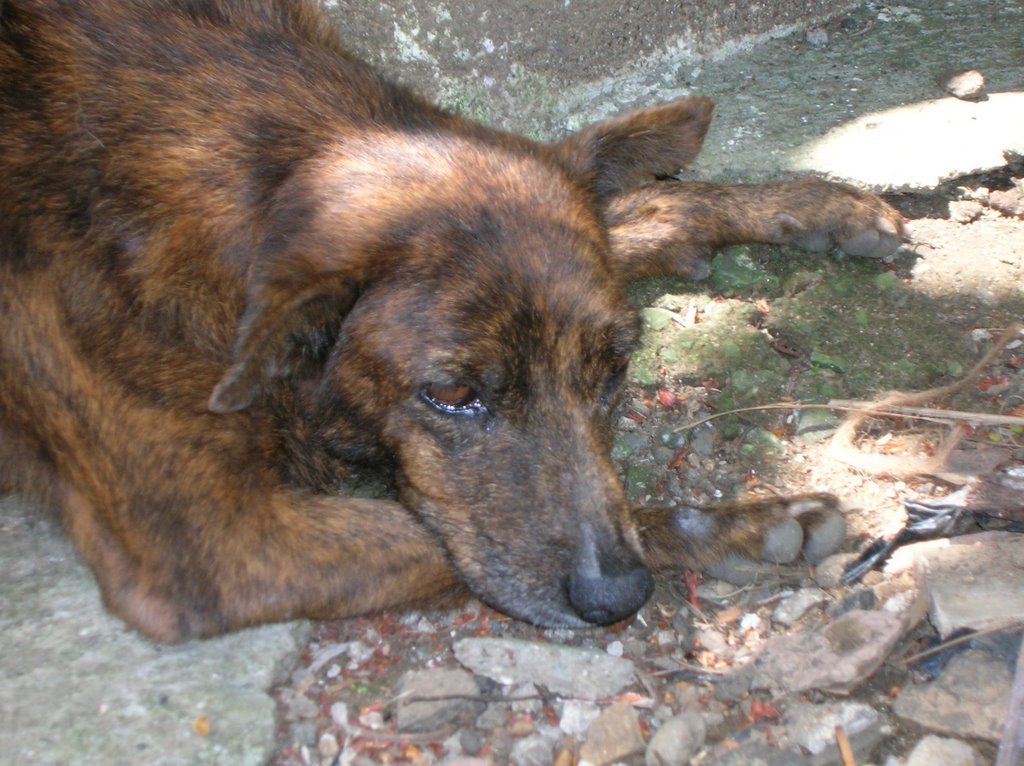
No, this is not a story about a malishwala or a dog owned by a malishwala but about a stray called Champi.
If you ever walk down around the Oval Maidan (South end), it would be difficult for you to notice a brindle colored dog sitting on the side of the footpath opposite the sugarcane juicewala or lying under a broken crate. You really have to look for her as her color and the small built camouflages her with the surroundings.
That’s Champi who is looked after by Mauryaji, the old sugarcane juicewala. Mauryaji brought her when she was puppy and when he was still living on the footpath at the Oval Maidan. Some time back he moved into a ‘kholi’ in Ghatkopar and commutes everyday to the Oval Maidan. He and his son run the sugarcane juice business and everyday quench the thirst of hundreds of passerby’s and young cricketer’s who play at the Oval with their freshly churned ganne –ka –juice. Champi, ofcourse continued to live at her ‘home’ outside the Oval
Mauryaji fondly talks about his Champi and says that she is twenty years old (she must be sixteen). Champi has now gone frail and has one bent hind leg due to an accident she suffered many years ago. We have seen her for the past eleven years. Some months back she has another accident and that too on her other hind leg. Thankfully, she responded to the treatment and could hobble around again. Currently she is being treated for a maggot wound on her bent leg (paw). She is a very good patient and wags her tail gently when we approach her, letting us treat her without a squeal.
If you ever walk down around the Oval Maidan (South end), it would be difficult for you to notice a brindle colored dog sitting on the side of the footpath opposite the sugarcane juicewala or lying under a broken crate. You really have to look for her as her color and the small built camouflages her with the surroundings.
That’s Champi who is looked after by Mauryaji, the old sugarcane juicewala. Mauryaji brought her when she was puppy and when he was still living on the footpath at the Oval Maidan. Some time back he moved into a ‘kholi’ in Ghatkopar and commutes everyday to the Oval Maidan. He and his son run the sugarcane juice business and everyday quench the thirst of hundreds of passerby’s and young cricketer’s who play at the Oval with their freshly churned ganne –ka –juice. Champi, ofcourse continued to live at her ‘home’ outside the Oval
Mauryaji fondly talks about his Champi and says that she is twenty years old (she must be sixteen). Champi has now gone frail and has one bent hind leg due to an accident she suffered many years ago. We have seen her for the past eleven years. Some months back she has another accident and that too on her other hind leg. Thankfully, she responded to the treatment and could hobble around again. Currently she is being treated for a maggot wound on her bent leg (paw). She is a very good patient and wags her tail gently when we approach her, letting us treat her without a squeal.
So if you happen to walk down from the Oval maidan (South end footpath) towards the Institute Of Science building, look out for Champi or chat with Mauryaji about her and it will surely make your day!
Thursday, September 21, 2006
Bombay Books 1
Here is a list of books that are either about Mumbai or the backdrop of the story based in Mumbai. The list is in no particular order but includes fiction, non-fiction, poetry, compilations and so on. If you want to ensure that I add all of them to Bombay Books 2, 3 etc, do leave a message. The obvious ones like Maximum City, Shantaram and Sacred Games along with the many others that I have in mind will be added in due course. The list is exhaustive and will be continued..
Kala Ghoda Poems
Poems penned by a simple man, the late Arun Kolhatkar while sitting at the erstwhile Wayside Inn at Kala Ghoda make their way into this book. . I was fortunate to have met him once, very briefly. My favorite for obvious reasons is Pi-dog but the compilation of 28 poems brings out Mumbai’s ethos on a Kala Ghoda backdrop.
Time Out Mumbai

Mumbai finally has a magazine of her own (for two years now) after many years since ‘Bombay’ and ‘Island’ disappeared from the scene. Edited by Bandra boy Naresh Fernandes, this fortnightly previews probably everything that you can do with respect to Mumbai’s Food and Drink, Art, Books, Dance, Films, Music, Nightlife, Theatre, Happenings and also has a section for Kids.
Anchoring A City Line

This book details the history of the Western Suburban Railway (the life line of this city) and its Headquarters in Bombay from 1899 to 1999. It contains some beautiful old photographs of different aspects of the railways i.e. trains, tracks, stations, engines, bogeys etc with well researched information by well known heritage writers Rahul Mehrotra and Sharada Dwivedi.
50 And Done
Ta ra Deshpande, the actress has written some short stories and verses that provide glimpses of Bombay through stories like Wicked, which is about a loney old woman and a bunch of wicked children out to seek revenge over the loss of a cricket ball at a building in Marine Drive. Other Mumbai mentions in the book include Mondegar Cafe, Grant Road’s Topaz, St Xavier’s College, Mid-Day, Carter Road and Ruparel College.
Busy Bee (From Bombay to Mumbai)
Busy Bee or Behram Contractor’s compilation of his columns ‘Round and About’ wh ich he wrote initially for the Mid-Day and then for his Afternoon Despatch and Courier that struck a chord with millions. Many people used to buy the newspaper just because of his column. Nobody and I say nobody can write about or know Bombay as well as Busybee did. He wrote simple, everyday stuff about the life in this city by creating a character for himself as a family man with a wife, two sons (Derek and Darryl) and a dog (Bolshoi). Busybee loved Bombay and this is what he said about the city, “ Everybody has some place he calls home. This is my home, Bombay. I would not live anywhere else even if I were paid five month’s salary in a lump sum.
Bombay Gothic

Christopher London takes us through the fascinating history of Gothic Bombay through color photographs and rare archival material. This book presents a comprehensive perspective of Victorian architecture (here ,it is Gothic Revival architectural style adapted to local conditions) of Bombay as envisaged by Governor HBE Frere.
Bombay Time

Thirty Umrigar work of fiction is based in Wadia Baug, a Parsi colony in Mumbai where she introduces us to its Parsi inhabitants, men and woman who have grown up together in the Baug’s aging community. Here she takes us through the life of Rusi Billimoria, a middle aged businessman coming to terms with his bad marriage.
The Mumbai Nature Guide

Sunjoy Monga, the Mumbai based naturalist surveys a selection of natural sites in and around the city. He takes us to Borivali’s Sanjay Gandhi National Park, Chinchoti, Tungaresjwar, Elephanta, Karjat, Aarey Milk colony, Uran, IIT Campus, Malabar Hill and the Mahalakshmi Racecourse and many many more green places. The book has beautiful photographs of the flora, fauna and birds found in these areas.
City of Gold – The Biography of Bombay
This book was published in 1982 and is a must read for anyone who wants to know Bombay’s origin and history. Gillian Tindall has done immense research and in her foreword says “ battered, dirt, overcrowded and choked with exhaust fumes, it may be, but it is also a city of dreams”
Times Good Food Guide ( Mumbai)

This has a listing with ratings on the food, service, ambience and expense of mostly all the restaurants, bars, pubs, paan shops, caterers, restobars and nightclubs classified zone-wise, cuisi ne-wise, area-wise and alphabetically.
Swimming Lessons and Other Stories From Firozsha Baag

Rohinton Mistry’s first book with short stories is about the life in a fictional Firozsha Baag, a Bombay based Parsi colony. You will laugh and cry along with the residents such as Najamai, Khorshedbai, Nariman Hansotia, Tehmina, Viraf and others.
Rediscovering Dharavi

Kalpana Sharma narrates stories from Asia’s largest slum Dharavi. She takes us through Dharavi which for many is just a mere cold statistic, through its history from the days when it was one of the six great Koliwadas to the present time and also talks about it’s people like the potters and the chikki maker.
Bombay, Meri Jaan
This book edited by Jerry Pinto and Naresh Fernandes is a compilation of writing on Mumbai by authors like Pico Iyer, Adil Jussawalla, Rudyard Kipling, Suketu Mehta, Sunil Gavaskar, Kiran Nagarkar, Khushwant Singh etc and poems by Nissim Ezekiel, Arundhati Subramaniam and Dilip Chitre.
L ove and Longing In Bombay
Vikram Chandra paints a vivid picture of Bombay, its ghosts, its passions, its feuds and its mysteries through five stories called Dharma, Shakti, Kama, Artha and Shakti.
Kala Ghoda Poems

Poems penned by a simple man, the late Arun Kolhatkar while sitting at the erstwhile Wayside Inn at Kala Ghoda make their way into this book. . I was fortunate to have met him once, very briefly. My favorite for obvious reasons is Pi-dog but the compilation of 28 poems brings out Mumbai’s ethos on a Kala Ghoda backdrop.
Time Out Mumbai

Mumbai finally has a magazine of her own (for two years now) after many years since ‘Bombay’ and ‘Island’ disappeared from the scene. Edited by Bandra boy Naresh Fernandes, this fortnightly previews probably everything that you can do with respect to Mumbai’s Food and Drink, Art, Books, Dance, Films, Music, Nightlife, Theatre, Happenings and also has a section for Kids.
Anchoring A City Line

This book details the history of the Western Suburban Railway (the life line of this city) and its Headquarters in Bombay from 1899 to 1999. It contains some beautiful old photographs of different aspects of the railways i.e. trains, tracks, stations, engines, bogeys etc with well researched information by well known heritage writers Rahul Mehrotra and Sharada Dwivedi.
50 And Done
Ta
 ra Deshpande, the actress has written some short stories and verses that provide glimpses of Bombay through stories like Wicked, which is about a loney old woman and a bunch of wicked children out to seek revenge over the loss of a cricket ball at a building in Marine Drive. Other Mumbai mentions in the book include Mondegar Cafe, Grant Road’s Topaz, St Xavier’s College, Mid-Day, Carter Road and Ruparel College.
Busy Bee (From Bombay to Mumbai)
Busy Bee or Behram Contractor’s compilation of his columns ‘Round and About’ wh
 ich he wrote initially for the Mid-Day and then for his Afternoon Despatch and Courier that struck a chord with millions. Many people used to buy the newspaper just because of his column. Nobody and I say nobody can write about or know Bombay as well as Busybee did. He wrote simple, everyday stuff about the life in this city by creating a character for himself as a family man with a wife, two sons (Derek and Darryl) and a dog (Bolshoi). Busybee loved Bombay and this is what he said about the city, “ Everybody has some place he calls home. This is my home, Bombay. I would not live anywhere else even if I were paid five month’s salary in a lump sum.
Bombay Gothic
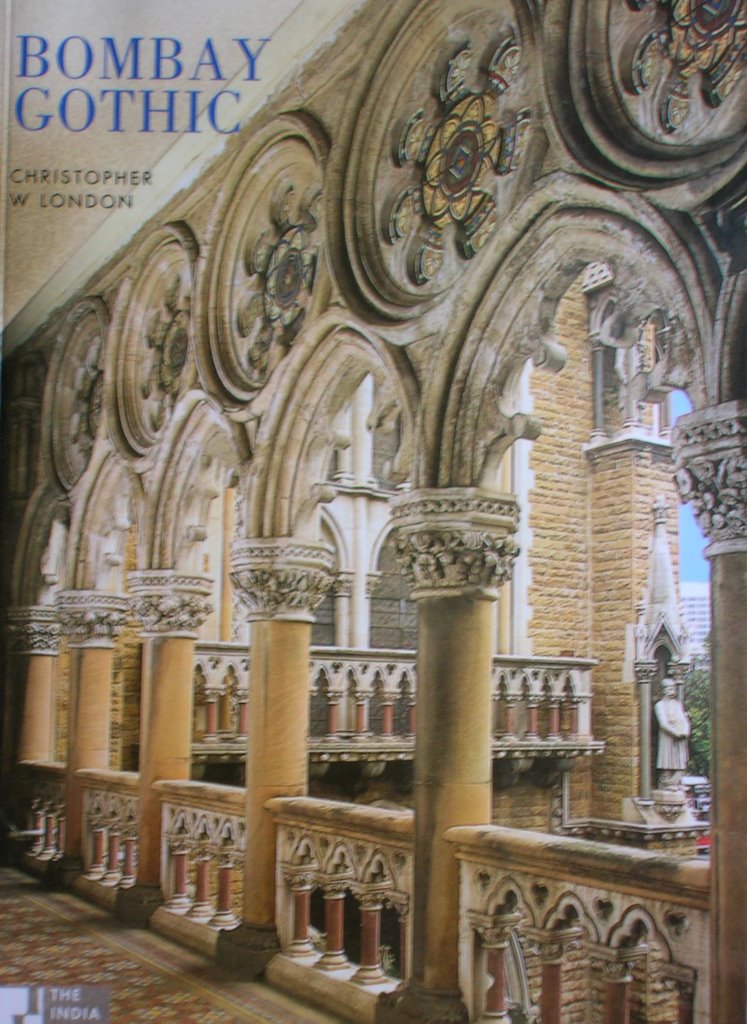
Christopher London takes us through the fascinating history of Gothic Bombay through color photographs and rare archival material. This book presents a comprehensive perspective of Victorian architecture (here ,it is Gothic Revival architectural style adapted to local conditions) of Bombay as envisaged by Governor HBE Frere.
Bombay Time
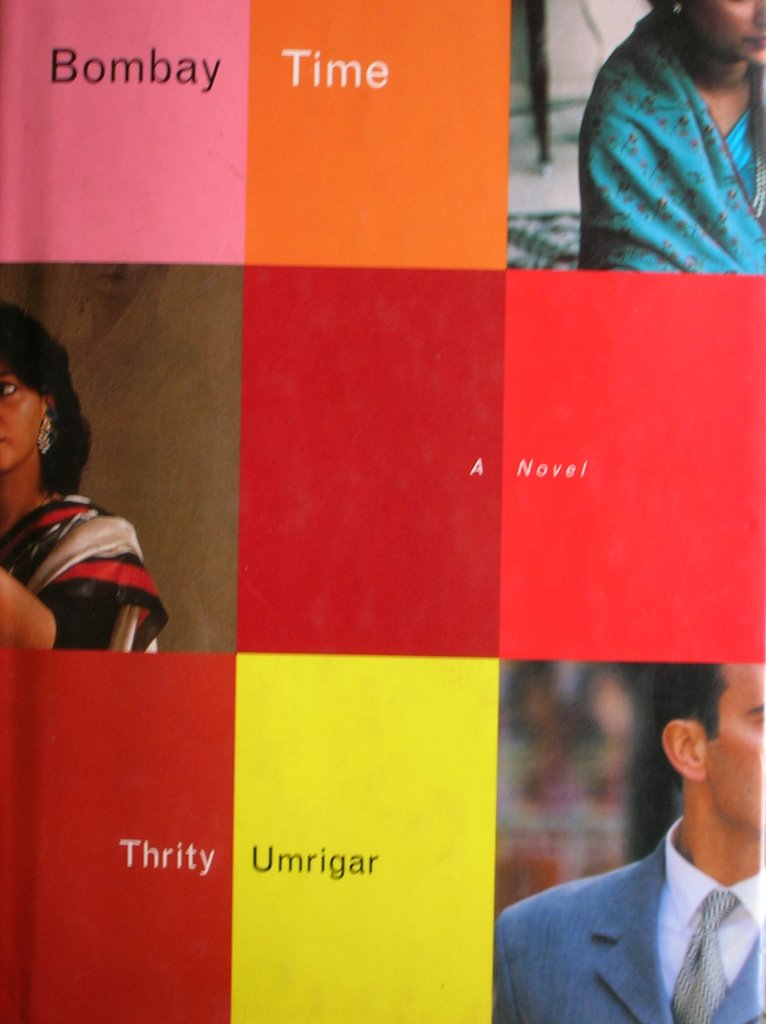
Thirty Umrigar work of fiction is based in Wadia Baug, a Parsi colony in Mumbai where she introduces us to its Parsi inhabitants, men and woman who have grown up together in the Baug’s aging community. Here she takes us through the life of Rusi Billimoria, a middle aged businessman coming to terms with his bad marriage.
The Mumbai Nature Guide
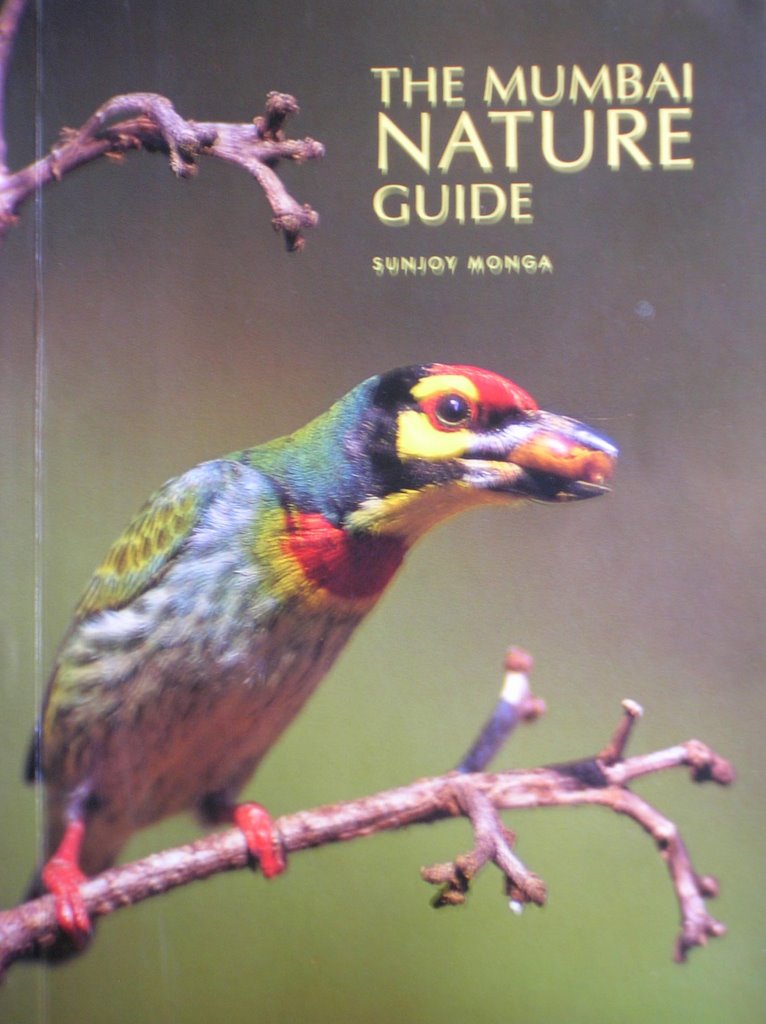
Sunjoy Monga, the Mumbai based naturalist surveys a selection of natural sites in and around the city. He takes us to Borivali’s Sanjay Gandhi National Park, Chinchoti, Tungaresjwar, Elephanta, Karjat, Aarey Milk colony, Uran, IIT Campus, Malabar Hill and the Mahalakshmi Racecourse and many many more green places. The book has beautiful photographs of the flora, fauna and birds found in these areas.
City of Gold – The Biography of Bombay
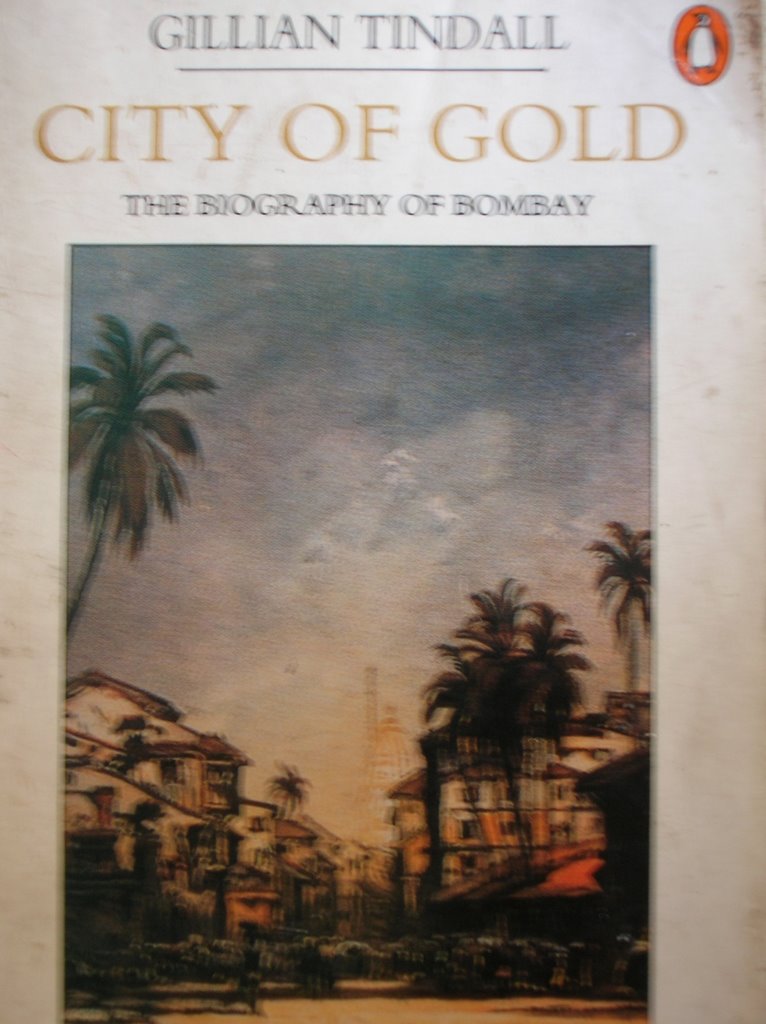
This book was published in 1982 and is a must read for anyone who wants to know Bombay’s origin and history. Gillian Tindall has done immense research and in her foreword says “ battered, dirt, overcrowded and choked with exhaust fumes, it may be, but it is also a city of dreams”
Times Good Food Guide ( Mumbai)

This has a listing with ratings on the food, service, ambience and expense of mostly all the restaurants, bars, pubs, paan shops, caterers, restobars and nightclubs classified zone-wise, cuisi ne-wise, area-wise and alphabetically.
Swimming Lessons and Other Stories From Firozsha Baag

Rohinton Mistry’s first book with short stories is about the life in a fictional Firozsha Baag, a Bombay based Parsi colony. You will laugh and cry along with the residents such as Najamai, Khorshedbai, Nariman Hansotia, Tehmina, Viraf and others.
Rediscovering Dharavi
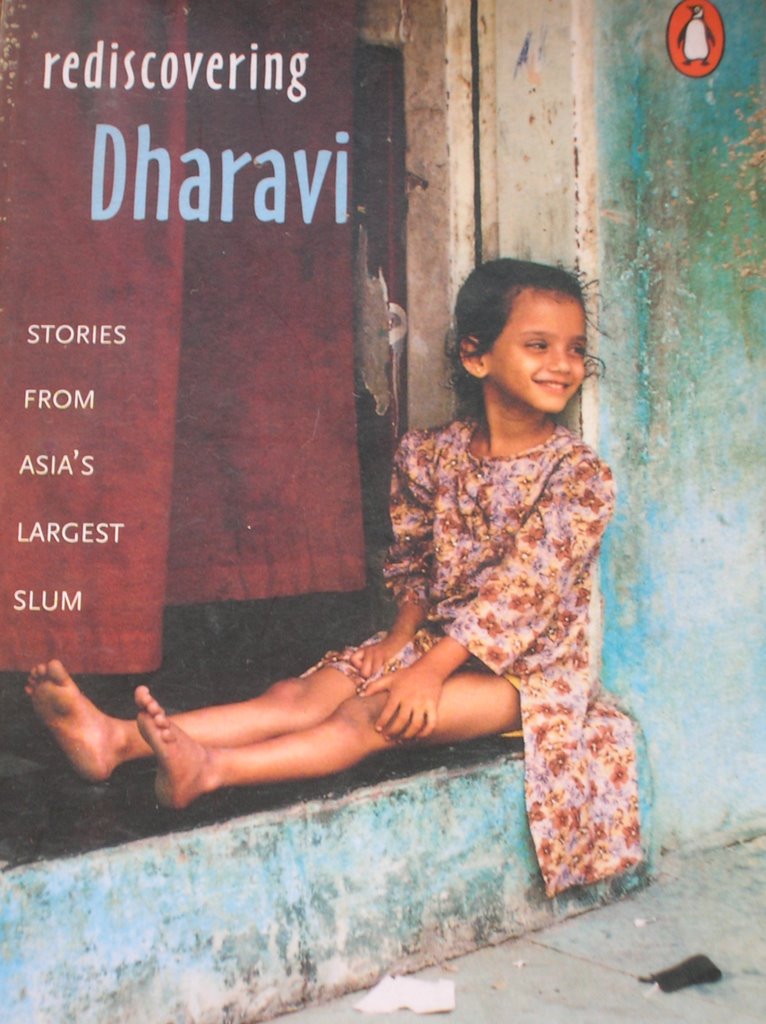
Kalpana Sharma narrates stories from Asia’s largest slum Dharavi. She takes us through Dharavi which for many is just a mere cold statistic, through its history from the days when it was one of the six great Koliwadas to the present time and also talks about it’s people like the potters and the chikki maker.
Bombay, Meri Jaan
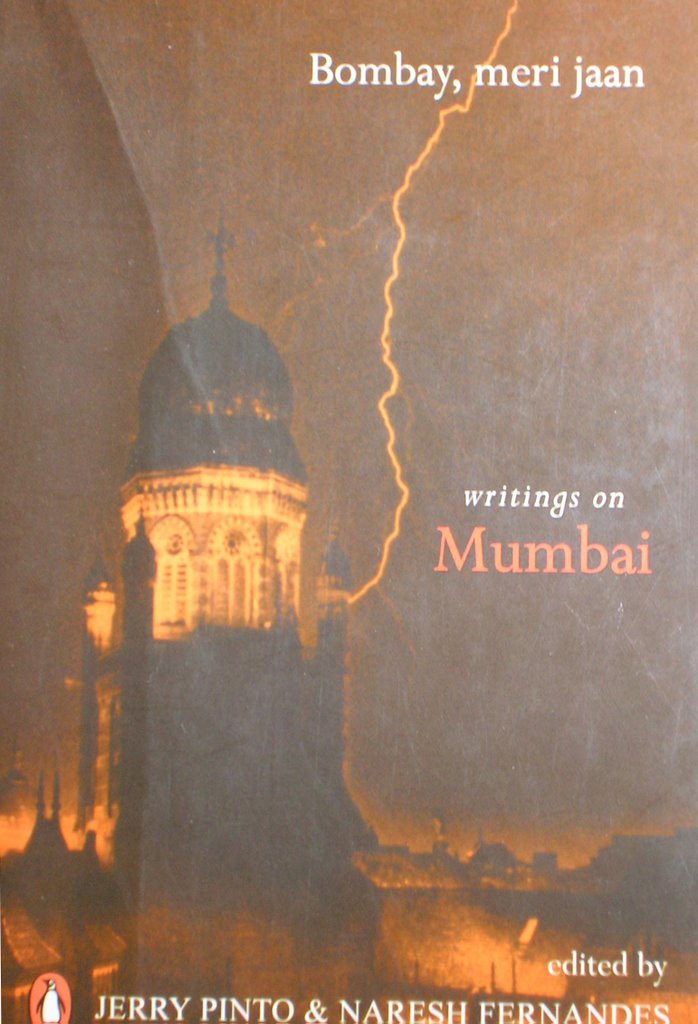
This book edited by Jerry Pinto and Naresh Fernandes is a compilation of writing on Mumbai by authors like Pico Iyer, Adil Jussawalla, Rudyard Kipling, Suketu Mehta, Sunil Gavaskar, Kiran Nagarkar, Khushwant Singh etc and poems by Nissim Ezekiel, Arundhati Subramaniam and Dilip Chitre.
L
 ove and Longing In Bombay
Vikram Chandra paints a vivid picture of Bombay, its ghosts, its passions, its feuds and its mysteries through five stories called Dharma, Shakti, Kama, Artha and Shakti.
Wednesday, September 20, 2006
Bullet
I don’t know who named him or why he was called Bullet. He was black (and for a change not named Kalu) and used to live at the Cross Maidan near the Khau Galli side. I had known him for the past ten years. Bullet died last week of old age. Another stray whose photo I regret not having taken.
Bullet used to be looked after by the caretaker of the maidan. This responsibility was passed on to Shiva who liked all the strays in the area and used to call us for any first-aid requirement. Shiva had a shop on Fashion Street and strangely for the past 4 years I had not seen him. During this time the policemen sitting at the Fashion street signal used to call us for any help that Bullet needed.
I ran into Shiva last week co-incidentally just before Bullet died, while we were re-vaccinating strays dogs against rabies in the New Marine Lines/Fashion Street area. He told me that he now had 3-4 shops on Fashion Street. We were also remembering olden times about how he had seen Bullet as a puppy, about all the strays on fashion street which are no more and also about Bullet’s companion Sheru who used to live at the same place and died many years ago when he was sixteen
Bullet was a very quiet and docile dog and used to never show any expressions. I had never heard him bark. One would find him quietly sitting either in the tent, which was used, as a pavilion when cricket matches were on or under the policemen’s bench at the Fashion Street signal, which everyone passed if, they were using the short-cut to go to Churchgate station from Azad Maidan via Khau Galli. Else he would be sprawled out in the corner of the maidan watching a cricket match.
Bullet used to be looked after by the caretaker of the maidan. This responsibility was passed on to Shiva who liked all the strays in the area and used to call us for any first-aid requirement. Shiva had a shop on Fashion Street and strangely for the past 4 years I had not seen him. During this time the policemen sitting at the Fashion street signal used to call us for any help that Bullet needed.
I ran into Shiva last week co-incidentally just before Bullet died, while we were re-vaccinating strays dogs against rabies in the New Marine Lines/Fashion Street area. He told me that he now had 3-4 shops on Fashion Street. We were also remembering olden times about how he had seen Bullet as a puppy, about all the strays on fashion street which are no more and also about Bullet’s companion Sheru who used to live at the same place and died many years ago when he was sixteen
Bullet was a very quiet and docile dog and used to never show any expressions. I had never heard him bark. One would find him quietly sitting either in the tent, which was used, as a pavilion when cricket matches were on or under the policemen’s bench at the Fashion Street signal, which everyone passed if, they were using the short-cut to go to Churchgate station from Azad Maidan via Khau Galli. Else he would be sprawled out in the corner of the maidan watching a cricket match.
Bullet had slowed down for some years now and signs of ageing could be seen on his black face with the grey hair making him look sweeter. Bullet lived a good life in cricketing company and he surely will be missed. He was seventeen.
Subscribe to:
Posts (Atom)